What a DAW actually is
FL Studio, Ableton, GarageBand, Reaper — a DAW is a full production environment: tracks, buses, automation, virtual instruments, plugin hosts. Immensely powerful, and built for people producing finished records.
That power is exactly the problem for a guitar player. You wanted to record a riff; you're now three tutorials deep into routing a send bus. DAWs look like airplane cockpits because they fly airplanes.
Where the line is
No DAW needed
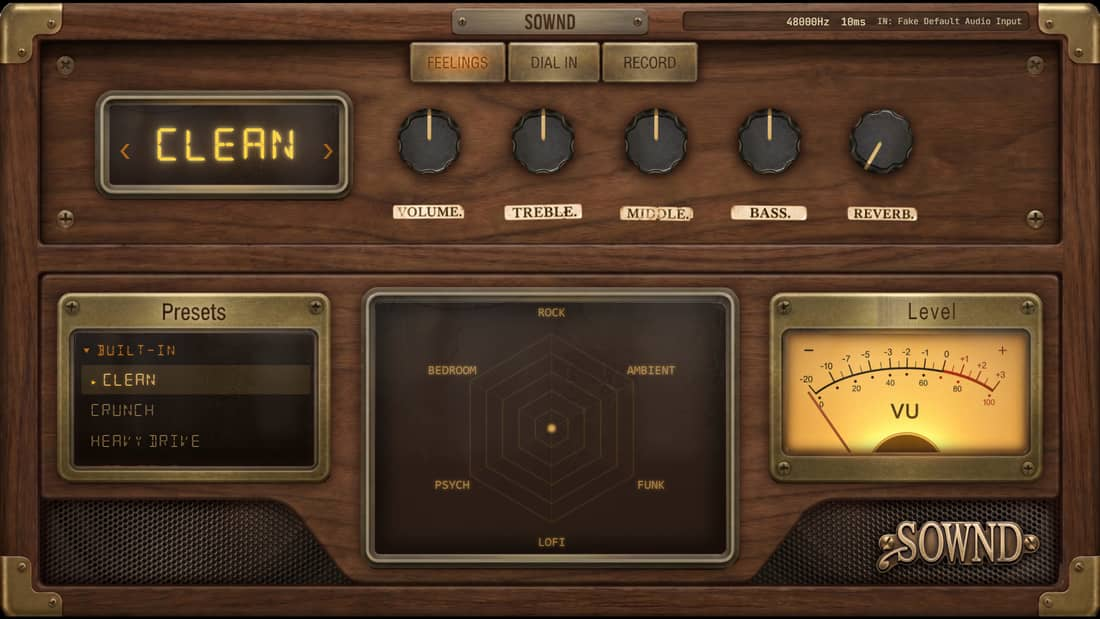
Recording ideas, tracking practice progress, making demos, looping a part to jam over, recording covers for friends. A browser studio like SOWND handles all of it — multi-track, count-in, metronome, WAV export.
DAW territory
Mixing a release: automation lanes, bus compression, MIDI instruments, mastering chains. If those words are your goal, learn one — Reaper is the honest cheap pick.
The middle path
Record in SOWND now; export WAV stems later. If a song grows into a production, the takes come with you — audio is portable, habits aren't.
The cost nobody mentions
The DAW license isn't the price — the learning curve is. Weeks of menus before the first decent recording. For the player who inherited a guitar and wants to hear themselves play, that's the wrong place to spend enthusiasm.
Start where recording is a button. If you outgrow it, you'll know exactly which DAW features you actually want — and why.
Try it while you read
Open the free Bare Wire tone in another tab — follow the steps live.
Quick answers
Is GarageBand a DAW?
Yes — a friendly one. On Apple devices it's a fine free start; the catch is it's Apple-only and still wraps recording in production concepts.
Can I record guitar without installing anything?
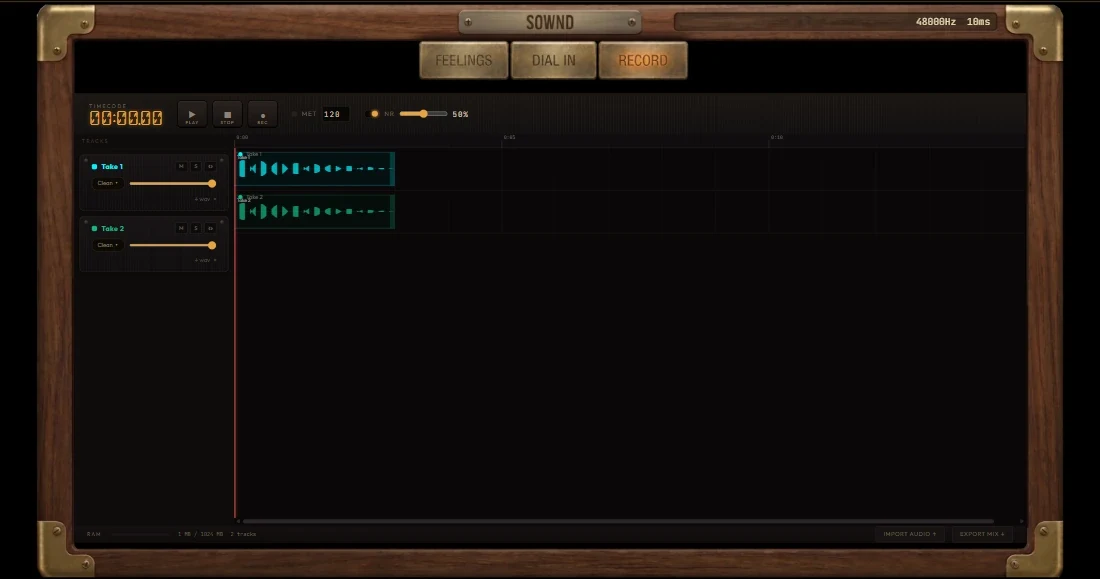
Yes — SOWND records multi-track in the browser tab: arm a track, count-in, play, export WAV.